Natural Testosterone Boosters: What 2025-2026 Research Actually Shows Men's Hormonal Health · Vibrant Life Symphony Natural Testosterone Boosters: What 2025-2026 Research Actually Shows Evidence-Based 14 min read Men's Health Series In our last guide, we covered exactly what low testosterone looks like — including the surprising finding that 43% of cases are functional and potentially reversible. This guide addresses the natural question that follows: which supplements actually have real evidence behind them, and which are just capsules of hope? The supplement aisle is crowded with "testosterone boosters" making bold claims. The honest, research-backed picture is more measured — but genuinely useful once you know where the real evidence sits. 15-25% Testosterone increase shown for ashwagandha (KSM-66) in clinical trials 8-12 wks Typical trial duration before mea...
How to Get More Deep Sleep: The Complete Guide to Slow-Wave Sleep Recovery
How to Get More Deep Sleep: The Complete Guide to Slow-Wave Sleep Recovery
Sleep Science · Vibrant Life Symphony
How to Get More Deep Sleep: The Complete Guide to Slow-Wave Sleep Recovery
Evidence-Based13 min readUpdated June 2026
You slept for eight hours. By every measure, that should be enough. And yet — you wake up feeling like you barely slept at all. Your body is heavy, your mind is foggy, and the exhaustion follows you through the entire day.
The problem usually isn't how long you slept. It's what kind of sleep you actually got. Total sleep time tells only part of the story — what matters most for how you feel and function is how much time you spent in deep sleep, also known as slow-wave sleep.
Deep sleep is not a luxury. It is the foundation of physical recovery, cognitive performance, hormonal balance, and long-term brain health. Without enough of it, everything else you do for your health — diet, exercise, supplements — operates at a fundamental deficit. The encouraging news is that deep sleep is highly responsive to the right interventions. Let's explore exactly what it is, why it matters so profoundly, and the science-backed protocol to get more of it starting tonight.
13-23%
Of total sleep time should be deep sleep in healthy adults
90%
Faster brain toxin clearance during deep sleep vs. wakefulness
0.5-1%
Decline in deep sleep per decade starting around age 35
20%
Reduction in slow-wave sleep from just two drinks of alcohol
What Is Deep Sleep and Why Does It Matter?
Deep sleep — clinically classified as Stage N3 or slow-wave sleep — is the most physically restorative stage of the entire sleep cycle. It's characterized by large, slow brain waves called delta waves, oscillating at just 1 to 4 cycles per second. This is dramatically different from the fast, irregular brain activity of wakefulness or light sleep.
During deep sleep, your brain shifts from a "processing engine" into what researchers increasingly describe as a biological cleanup operation. Blood flow to the brain decreases, breathing slows, blood pressure drops, and your body enters its deepest state of physical repair.
🧠 The Glymphatic System — Your Brain's Nightly Cleanup
One of the most remarkable discoveries in modern sleep science involves the glymphatic system — a network that clears metabolic waste from the brain almost exclusively during deep sleep. Research has shown that cerebrospinal fluid pulses through brain tissue during slow-wave sleep, flushing out toxic proteins including amyloid beta and tau — the same proteins implicated in Alzheimer's disease.
A landmark study found that when researchers selectively disrupted slow-wave sleep using acoustic cues — while preserving total sleep time — cerebrospinal fluid amyloid beta increased by roughly 10% the very next morning. This means deep sleep quality matters independently of total sleep duration — you cannot simply substitute more light sleep for lost deep sleep.
Key insight: The brain's glymphatic clearance system operates up to 90% faster during deep sleep than during wakefulness. This single fact explains why deep sleep deprivation is so strongly linked to long-term cognitive decline and neurodegenerative risk.
Sleep Stages Across the Night
Cycle 1
Deep sleep dominant — peak repair
Cycle 2
Still significant deep sleep
Cycle 3
Lighter — REM increasing
Cycle 4-5
REM dominant — minimal deep sleep
⚠️ Most of your deep sleep happens in the first third of the night — making early sleep disruption especially costly.
💪 Physical Repair and Hormonal Regulation
Deep sleep is when your body releases the majority of its daily growth hormone — essential for tissue repair, muscle recovery, and cellular regeneration. This is precisely why athletes and high performers prioritize deep sleep so heavily: it is, quite literally, when the body rebuilds itself.
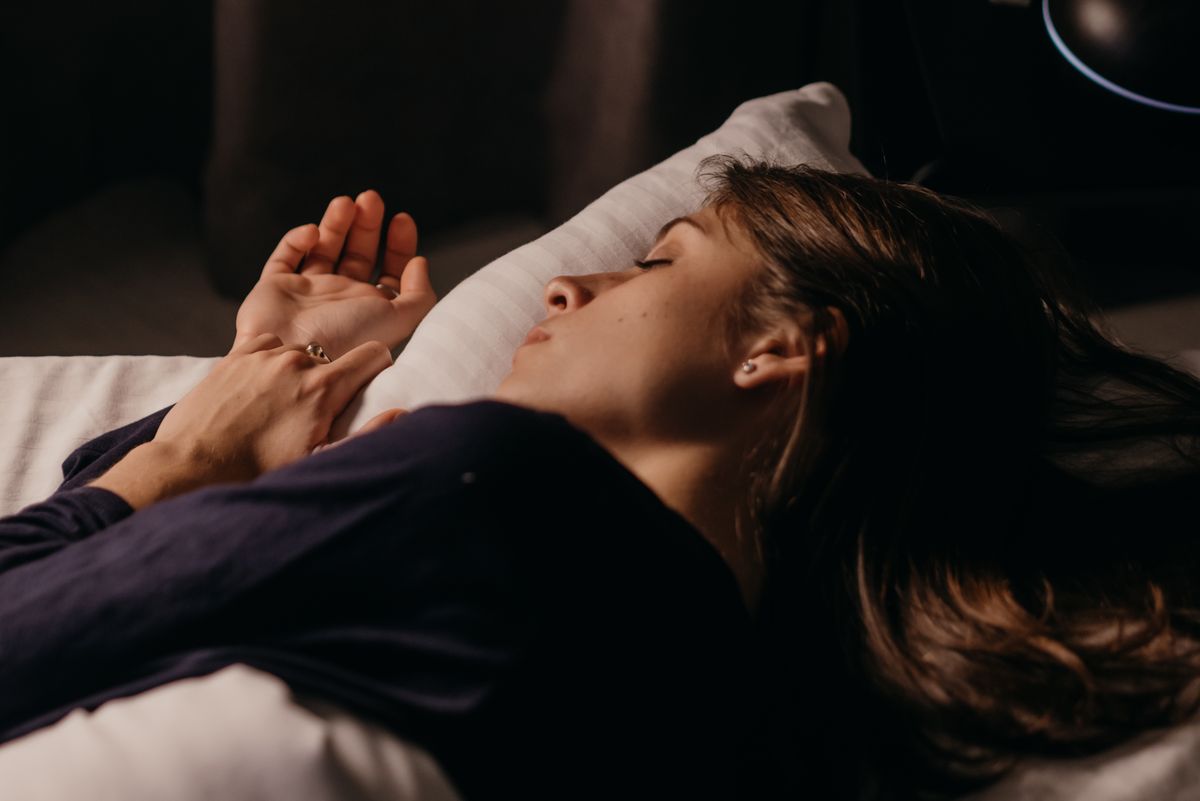
Deep sleep is when the body performs its most critical repair work — muscle recovery, hormone regulation, and brain detoxification all happen here.
How Much Deep Sleep Do You Actually Need?
Most healthy adults should spend approximately 13–23% of total sleep time in deep sleep — roughly 1 to 2 hours for someone sleeping a full 7–8 hours. However, this is not evenly distributed across the night.
Slow-wave sleep dominates the first few sleep cycles, with both the intensity and duration of deep sleep declining across consecutive cycles. This means you get the vast majority of your deep sleep in the first third of the night — making early sleep disruptions, late bedtimes, and poor sleep onset particularly costly for deep sleep quantity.
📉 The Age Factor
One of the most consistent findings in sleep science is that deep sleep declines progressively with age, beginning around age 35 and decreasing by approximately 0.5–1% per decade. The causes include reduced growth hormone production, structural changes in the prefrontal cortex — the brain region that generates delta waves — and increased nighttime awakenings.
While age-related decline cannot be fully reversed, the strategies in this guide can help you preserve and maximize the deep sleep capacity you still have — at any age.
Signs You're Not Getting Enough Deep Sleep
Many people go years without realizing their fatigue, brain fog, and health struggles trace back to insufficient deep sleep rather than insufficient total sleep. Do these symptoms sound familiar?
Waking up unrefreshed despite 7-8+ hours of sleep
Persistent brain fog and poor concentration
Slow physical recovery from exercise or exertion
Frequent illness or weakened immune response
Difficulty building or maintaining muscle
Accelerated visible signs of aging
Poor memory consolidation and learning
Persistent low-grade inflammation
Feeling "hungover" without alcohol
Relying heavily on caffeine to function
What Destroys Deep Sleep — The Modern Culprits
🍷 Alcohol — The Silent Deep Sleep Killer
This is difficult to hear, but the science is unambiguous: alcohol dramatically suppresses deep sleep, even in moderate amounts. Two glasses of wine with dinner can reduce slow-wave sleep by up to 20% and fragment sleep cycles throughout the second half of the night. Alcohol also relaxes the muscles of the upper airway, increasing the risk of snoring and sleep apnea — both of which repeatedly pull you out of deep sleep without conscious awareness.
🌡️ Bedroom Temperature
Your core body temperature must drop for deep sleep to initiate and sustain itself properly. A bedroom that's too warm directly interferes with this process, fragmenting slow-wave sleep stages and reducing their depth and duration.
🏃 Lack of Physical Activity
Exercise is one of the most consistently validated tools for increasing deep sleep. Physical activity reduces stress, helps regulate circadian rhythms, and directly increases slow-wave sleep — the deepest and most restorative stage. However, timing matters significantly: vigorous exercise too close to bedtime can be counterproductive for some people.
🛏️ Physical Discomfort and Poor Sleep Posture
This factor is frequently overlooked: neck and spine misalignment during sleep creates micro-arousals — brief, often unconscious awakenings that fragment deep sleep without you realizing it happened. Because deep sleep requires sustained, uninterrupted neural synchronization, even brief physical discomfort can prevent the brain from reaching or maintaining the deepest stages of slow-wave activity.
Insufficient deep sleep produces fatigue, brain fog, and slow recovery — even when total sleep duration appears adequate.
Deep sleep requires sustained, uninterrupted neural activity — and even subtle neck or spine misalignment can trigger micro-arousals that fragment slow-wave sleep without you ever fully waking up. The Derila Ergo's ergonomic butterfly design keeps your cervical spine in proper alignment all night, removing one of the most overlooked physical barriers to deep, uninterrupted sleep.
The good news about deep sleep is that it responds powerfully and predictably to specific, well-researched interventions. Unlike some aspects of sleep that are difficult to control, deep sleep can be measurably increased within days to weeks of consistent practice.
Your Step-by-Step Deep Sleep Protocol
1
Exercise Regularly — Timing Matters
Regular physical activity — whether resistance training, cardio, or yoga — consistently increases slow-wave sleep by reducing stress hormones and helping regulate circadian rhythms. Aim for moderate-to-vigorous exercise most days of the week, ideally completed at least 1-2 hours before bedtime to allow core body temperature to drop naturally before sleep.
2
Optimize Bedroom Temperature
Keep your bedroom between 60-67°F (15-19°C). Your core body temperature needs to drop for deep sleep to initiate properly — a cool room facilitates this natural process. If you run warm at night, consider moisture-wicking sheets or a cooling mattress topper to support this temperature drop throughout the night.
A cool, dark bedroom environment supports the natural body temperature drop required for deep slow-wave sleep to initiate and sustain itself.
3
Limit Alcohol — Especially Before Bed
If you're serious about optimizing deep sleep, limiting alcohol to occasional use — and never within 3-4 hours of bedtime — is one of the highest-impact changes available. Even moderate drinking measurably suppresses slow-wave sleep and fragments the second half of your sleep cycle.
4
Get Morning Sunlight Exposure
Daylight exposure — particularly in the morning — helps people fall asleep faster and experience deeper, higher-quality sleep by anchoring the circadian rhythm. Even a short walk outside or sitting near a bright window for 10-15 minutes after waking can make a measurable difference in subsequent deep sleep quality.
5
Maintain a Consistent Sleep Schedule
Your circadian rhythm thrives on predictability. Going to bed and waking up at the same time every day — including weekends — strengthens the timing signals that regulate when and how deeply you enter slow-wave sleep. Irregular schedules disrupt this timing mechanism, reducing deep sleep efficiency even when total sleep duration remains the same.
6
Eliminate Physical Discomfort During Sleep
Since deep sleep requires sustained, uninterrupted neural synchronization, addressing physical sources of disruption is essential. Proper neck and spine alignment through ergonomic sleep support prevents the micro-arousals that silently fragment deep sleep stages — often without any conscious memory of waking. This is one of the most actionable and immediate improvements available.
Remember: Most people notice better energy within 7-14 days of consistent practice, with deeper structural benefits appearing after 4-6 weeks. Deep sleep responds to consistency more than perfection — small, sustained changes compound significantly over time.
When to Seek Professional Help
While lifestyle interventions address the majority of deep sleep deficiency, certain situations warrant professional evaluation. Consult a healthcare provider or sleep specialist if you experience:
Loud snoring or gasping during sleep (possible sleep apnea)
Persistent exhaustion despite consistent lifestyle changes for 4+ weeks
Sleep tracker data consistently showing very low deep sleep percentages
Restless legs or involuntary movements disrupting sleep
Extreme daytime sleepiness affecting daily safety or function
A sleep specialist can conduct a polysomnography study to precisely measure your sleep architecture and identify whether an underlying condition — such as sleep apnea — is silently destroying your deep sleep stages.
✦
Deep Sleep Is Within Your Control
Deep sleep isn't a mysterious, uncontrollable aspect of biology reserved for the lucky few. It is a measurable, trainable physiological process that responds predictably to the inputs you provide it. Exercise timing, bedroom temperature, alcohol intake, morning light, sleep consistency, and physical comfort — every one of these factors is within your control.
The research is clear: when you systematically address these factors together, deep sleep increases — sometimes dramatically, often within just a few weeks. And when deep sleep increases, everything downstream improves: physical recovery accelerates, cognitive performance sharpens, immune function strengthens, and the cellular cleanup that protects your brain long-term operates at full capacity.
You don't need expensive technology or extreme biohacking protocols. You need consistency, the right foundational habits, and the willingness to address even the overlooked physical factors — like how your neck and spine are supported throughout the night.
🌙
Support Deep Sleep From the Very First Night
Since deep sleep requires sustained, uninterrupted neural activity, even subtle physical discomfort can silently fragment your most restorative sleep stage. The Derila Ergo's revolutionary ergonomic design eliminates the neck and spine misalignment that triggers these micro-arousals — supporting deeper, more continuous slow-wave sleep from the very first night.
Currently 75% off · Doctor-recommended · Risk-free trial
Deep sleep, also called slow-wave sleep or N3 sleep, is the most physically restorative stage of the sleep cycle. During deep sleep, the body repairs muscle tissue, releases growth hormone, consolidates memories, and the brain's glymphatic system clears out metabolic waste including proteins linked to Alzheimer's disease. It is essential for physical recovery, cognitive function, and long-term health.
How much deep sleep do I need per night?
Most healthy adults need approximately 13-23% of total sleep time in deep sleep, which translates to roughly 1-2 hours per night for someone sleeping 7-8 hours. Deep sleep naturally declines with age, starting around age 35, decreasing by approximately 0.5-1% per decade.
How can I increase deep sleep naturally?
Effective evidence-based strategies include regular exercise especially earlier in the day, keeping your bedroom cool between 60-67°F, avoiding alcohol before bed, maintaining a consistent sleep schedule, getting morning sunlight exposure, and eliminating physical sources of discomfort such as poor neck and spine alignment during sleep.
Does alcohol affect deep sleep?
Yes, significantly. Even moderate alcohol consumption, such as two glasses of wine, can reduce slow-wave sleep by up to 20% and fragment sleep cycles in the second half of the night. Alcohol also relaxes the upper airway muscles, increasing the risk of snoring and sleep apnea, both of which repeatedly interrupt deep sleep.
Can a pillow affect deep sleep quality?
Yes. Proper neck and spine alignment during sleep is essential for uninterrupted deep sleep. Physical discomfort from an unsupportive pillow creates pressure points and muscle tension that can pull the brain out of deep slow-wave sleep stages without full conscious awakening, fragmenting the most restorative phase of the sleep cycle.


Comments
Post a Comment