HPA Axis Dysfunction: Why Chronic Stress Feels Impossible to Escape Adaptogens & Stress Resilience · Vibrant Life Symphony HPA Axis Dysfunction: Why Chronic Stress Feels Impossible to Escape Evidence-Based 14 min read Adaptogens Series You've tried the breathing apps. You've cut back on caffeine. You've even taken time off. And yet stress doesn't feel like something happening to you anymore — it feels like the water you're swimming in, constant and inescapable, no matter what you change on the surface. If this describes your experience, there's a specific, well-documented biological reason: your HPA axis — the system that governs your entire stress response — may itself be dysregulated. This isn't about willpower or not trying hard enough. It's about a hormonal feedback loop that, once disrupted, actively works against the very relaxation techniques y...
Sleep Hygiene Checklist: 15 Science-Backed Habits for Perfect Sleep (2026)
Sleep Hygiene Checklist: 15 Science-Backed Habits for Perfect Sleep (2026)
Sleep Science · Vibrant Life Symphony
Sleep Hygiene Checklist: 15 Science-Backed Habits for Perfect Sleep (2026)
Evidence-Based15 min readUpdated July 2026
Do you ever find yourself staring at the ceiling, wondering if you'll ever fall asleep? Or you wake up thinking it's almost morning, only to check the clock and see it's 2AM? If you've read any of our previous sleep guides — on sleep recovery, waking at 3AM, cortisol, deep sleep, or insomnia — you already understand the biology behind poor sleep. This guide brings it all together into one place: the complete, practical sleep hygiene checklist.
Sleep hygiene refers to the daytime and nighttime habits, behaviors, and environmental factors that determine whether you fall asleep quickly, stay asleep, and wake up genuinely refreshed. It is often dismissed as "basic advice" — but research consistently shows it remains one of the strongest predictors of sleep quality when applied with real consistency, not just knowledge.
This is your complete, evidence-based checklist for 2026 — 15 habits organized into four categories: timing, environment, daytime behavior, and evening wind-down.
65%
Improvement in sleep quality possible without medication
1 in 3
American adults regularly get less than 7 hours of sleep
2-4
Weeks to see meaningful results from consistent habits
4
Highest-impact habits with the strongest evidence base
What Is Sleep Hygiene, Really?
Sleep hygiene isn't about being "clean" while you sleep — it's about creating the optimal conditions, both mentally and physically, for restorative rest. Think of it like tending a garden: the right soil, consistent watering, adequate light, and steady care. Quality sleep requires the right environment, timing, habits, and routines working together.
Key insight: Sleep researchers now emphasize individual sensitivity — some people react far more strongly to caffeine, alcohol, noise, or light than others. Use this checklist as your evidence-based foundation, then personalize it by tracking what actually affects your own sleep quality.
The 4 Highest-Impact Habits — Start Here
If you take away only four things from this entire guide, make it these. Sleep researchers and CBT-I practitioners consistently rank these as having the strongest evidence base of any sleep hygiene intervention.
Fixed wake time every single day, including weekends. Your circadian rhythm is primarily anchored to wake time, not bedtime — this is the single most powerful sleep hygiene intervention available.
Bedroom temperature between 60-67°F (15-19°C). Your core body temperature must drop for deep sleep to initiate properly.
Complete darkness. Even small amounts of light can suppress melatonin and fragment sleep stages.
No caffeine after 2PM. Research shows 400mg of caffeine six hours before bed reduces total sleep time by over an hour.
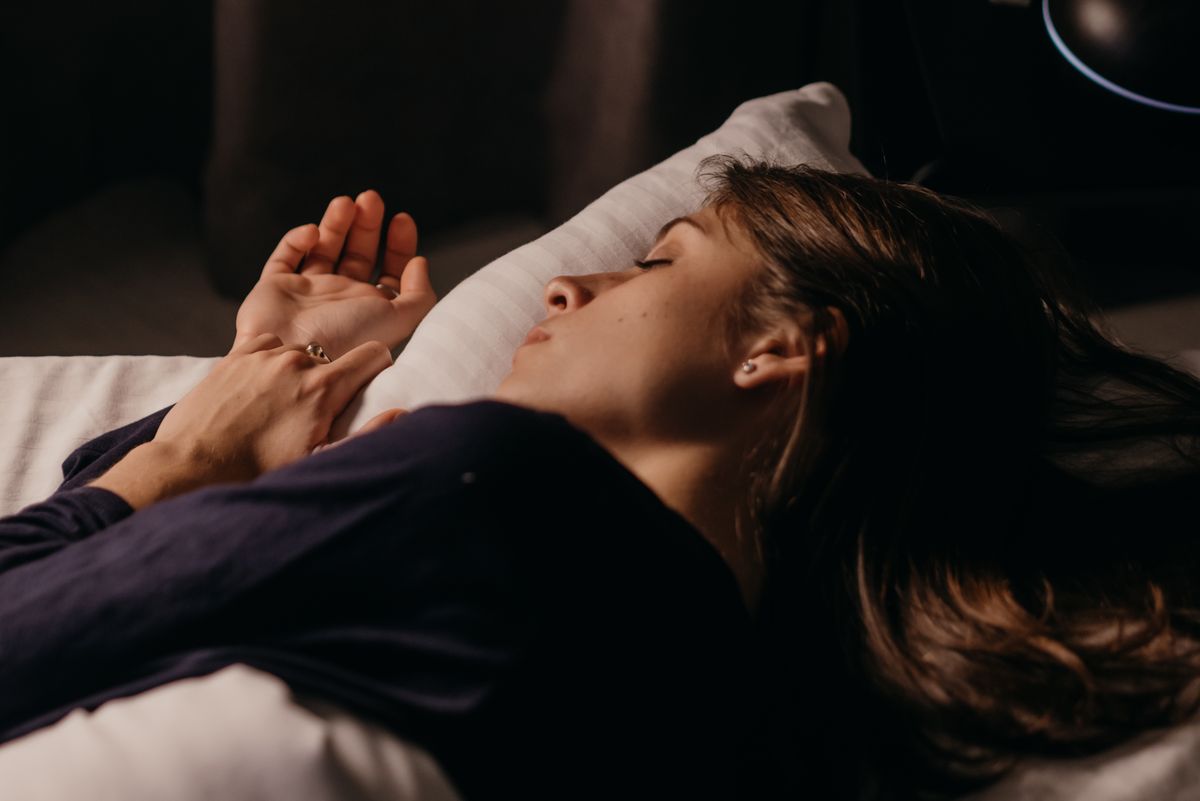
Good sleep hygiene creates the optimal biological conditions for deep, uninterrupted rest — night after night.
Category 1: Sleep Timing & Circadian Rhythm
1
Wake at the Same Time Every Day
Consistency tops the American Academy of Sleep Medicine's list of ways to beat insomnia. It sets the stage for every other habit on this list.
2
Get Morning Light Within 30-60 Minutes of Waking
Outdoor light or a bright lamp suppresses melatonin quickly, anchors your circadian rhythm to the morning, and advances your evening sleep drive.
3
Dim Household Lights 2 Hours Before Bed
Use warm, amber tones in the evening and switch your phone to night mode after sunset to avoid delaying melatonin release.
4
Avoid Napping Late in the Day
Napping too late can reduce your sleep drive at bedtime and increase the likelihood of nighttime waking. If you nap, keep it early and under 30 minutes.
Category 2: Bedroom Environment
5
Keep It Cool, Dark, and Quiet
Blackout curtains or a sleep mask, a fan or white noise machine, and a thermostat at 65-68°F cover most needs — this combination often outperforms an expensive mattress upgrade.
6
Mask Unpredictable Noise
Intermittent sounds — traffic, neighbors, a partner snoring — are more disruptive than steady background noise because they trigger your brain's orienting response. White or pink noise raises the background level so noises need to be louder to cause arousal.
7
Choose Thermoregulating Bedding
Sleepwear and bedding are sleep tools, not just comfort choices. Breathable, moisture-wicking materials that actively support temperature regulation can measurably improve sleep depth by preventing the "micro-overheating" that fragments sleep without fully waking you.
8
Support Proper Neck and Spine Alignment
Physical comfort is a foundational — and frequently overlooked — part of the sleep environment. An unsupportive pillow creates pressure points and tension that can silently fragment sleep even when you don't consciously wake up.
A cool, dark, and quiet bedroom environment is consistently rated as more impactful than an expensive mattress alone.
Every sleep hygiene checklist mentions "comfortable bedroom" — but few address the specific physical alignment issue that silently fragments sleep for millions of people. The Derila Ergo's ergonomic butterfly design keeps your cervical spine properly aligned all night, removing a physical barrier that even perfect timing and temperature habits can't fix on their own.
Regular physical activity increases slow-wave sleep and reduces the physiological arousal that underlies chronic sleep difficulty. Vigorous exercise too close to bedtime can be counterproductive for some people.
10
Limit Caffeine After Early Afternoon
Caffeine is the most underestimated sleep disruptor. Its effects can linger for 6+ hours, quietly delaying sleep onset and reducing total sleep time even when you don't feel "wired."
11
Be Mindful of Alcohol
Alcohol may make falling asleep feel easier initially, but the effect wears off and fragments sleep — particularly slow-wave sleep — later in the night.
12
Time Your Meals Strategically
Finishing dinner a few hours before bedtime supports melatonin release and the nighttime temperature drop critical for deep sleep. Heavy or late meals can disrupt sleep onset and quality.
Category 4: The Evening Wind-Down
13
Build a Relaxing, Device-Free Bedtime Routine
Phone and screen light disrupt melatonin release, which regulates your sleep-wake cycle. A calm, low-stimulation routine — reading a physical book, gentle stretching — signals your brain that the day is over.
14
Externalize Your Worries Before Bed
Cognitive arousal — an active, worrying mind — is the most common proximate cause of insomnia. Writing down worries and tomorrow's to-do list before bed "offloads" them from active mental processing, reducing the tendency to ruminate once you're lying down.
15
Practice Breathing or Relaxation Techniques
Progressive muscle relaxation or 4-7-8 breathing (inhale 4 counts, hold 7, exhale 8) activates the parasympathetic nervous system, directly counteracting the sympathetic arousal that prevents sleep onset.
Important: Sleep researchers are firm on this: five habits all at once never works. Choose two or three, practice them consistently for a few weeks, then add more. Sustainable change beats a perfect 3-day routine every time.
When Sleep Hygiene Isn't Enough
Sleep hygiene resolves the majority of common sleep issues — but not all of them. See a doctor if you have trouble falling or staying asleep three nights a week for at least a month, experience loud snoring accompanied by gasping or choking, feel sleepy during the day despite 7+ hours in bed, or have restless legs that prevent sleep onset. These patterns may require additional treatment such as CBT-I or evaluation for sleep apnea.
✦
Your Complete Sleep Recovery Library
This checklist is your foundation — but if a specific symptom or pattern applies to you, dive deeper into these complete, science-backed guides:
Better sleep doesn't require a total life overhaul. It requires the right foundational habits, applied with consistency rather than perfection. The four highest-impact changes — fixed wake time, cool temperature, darkness, and limited caffeine — alone can transform your nights within weeks.
From there, layer in the daytime habits, the evening wind-down, and the physical comfort factors that so many checklists overlook. Your body thrives on routine, and every habit here compounds with the others — creating a sleep foundation strong enough to support genuine, lasting recovery.
🌙
Complete Your Sleep Hygiene Foundation Tonight
You can master every timing, temperature, and routine habit on this list — but if your neck and spine are misaligned all night, physical discomfort can still quietly fragment your sleep. The Derila Ergo's revolutionary ergonomic design completes your sleep hygiene foundation by eliminating this overlooked physical barrier.
Currently 75% off · Doctor-recommended · Risk-free trial
Sleep hygiene refers to the set of daytime and nighttime habits, behaviors, and environmental factors that influence sleep quality — including sleep schedule consistency, light exposure, caffeine and alcohol intake, bedroom environment, and pre-sleep routines. Good sleep hygiene can improve sleep quality by up to 65% without medication.
What are the most important sleep hygiene habits?
The four highest-impact sleep hygiene practices are a fixed wake time every day including weekends, bedroom temperature between 60-67°F, complete darkness, and no caffeine after 2PM. Sleep researchers consistently prioritize wake time consistency as the single most powerful intervention.
How long does it take for sleep hygiene changes to work?
Most people notice meaningful improvement within 2-4 weeks of consistently applying sleep hygiene changes. Sleep researchers recommend choosing two or three habits to focus on at a time rather than overhauling everything at once, as this produces more sustainable long-term results.
Can good sleep hygiene fix insomnia completely?
Sleep hygiene resolves most common sleep issues but not all. If you have trouble falling or staying asleep three nights a week for a month or more, or experience loud snoring with gasping, persistent daytime sleepiness, or restless legs, consult a healthcare provider as these may require additional treatment such as CBT-I.
Does bedroom temperature really affect sleep quality?
Yes, significantly. Research shows that even small temperature increases during the night — micro-overheating — can fragment sleep without fully waking you, reducing time spent in deep and REM sleep even when you believe you slept through the night. A bedroom kept between 60-67°F supports faster sleep onset and fewer awakenings.
Sources & References
Sleep Foundation — "Mastering Sleep Hygiene: Your Path to Quality Sleep" (2026) — sleepfoundation.org
Healthline — "12 Tips for Better Sleep Hygiene" (Updated January 2026) — healthline.com
GoodRx Health — "17 Sleep Hygiene Tips for Improved Rest" (April 2026) — goodrx.com
Dagsmejan — "Sleep Tips for 2026: The Science-Backed Guide" (January 2026) — dagsmejan.com


Comments
Post a Comment